Planning a trip on a tight budget involves a series of deliberate choices and trade-offs that prioritize cost efficiency without necessarily sacrificing the travel experience. The process begins with setting a realistic budget that accounts for all major categories—transportation, lodging, food, activities, and incidental expenses. By approaching travel planning as a logistical exercise rather than an impulse purchase, travelers can systematically identify where savings are possible and where costs are fixed. This article outlines a methodical approach to budget travel planning, emphasizing flexibility, research, and prioritization.
Budget travel planning is not about deprivation; it is about making informed decisions that align with one’s financial parameters. The strategies discussed here are generally applicable, but their effectiveness depends on individual circumstances, destination characteristics, and timing. Factors such as seasonality, local economic conditions, and personal travel style can influence which techniques are most suitable. Therefore, readers should adapt these ideas to their own context rather than treating them as universal prescriptions.
The following sections explore key areas: understanding cost drivers, selecting affordable transportation, finding economical lodging, identifying low-cost activities, and managing day-to-day expenses. Each section provides a framework for evaluating options and making choices that support a budget-conscious trip.
Understanding the Main Cost Drivers of a Trip
Before making any bookings, it is helpful to map out the typical cost components of a trip and understand how they interact. Transportation and accommodation usually represent the largest portions of a travel budget, but food, local transit, and activities can also accumulate quickly. By breaking down the total cost into these categories, travelers can see where adjustments may have the most impact. For example, shifting travel dates by a few days might significantly reduce airfare, while choosing a less central accommodation could lower nightly rates at the expense of convenience.
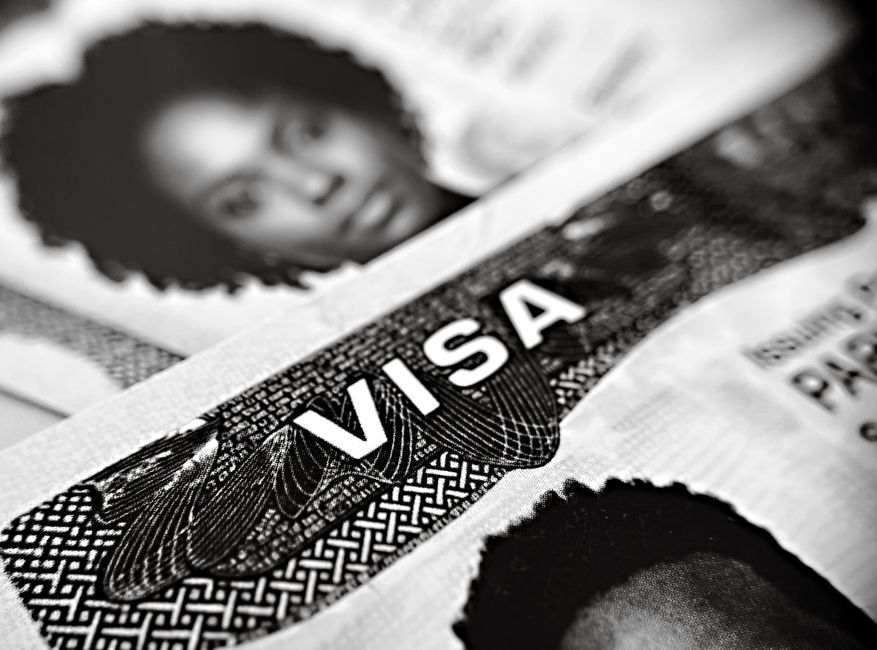
Another consideration is the distinction between fixed and variable costs. Fixed costs, such as visas or travel insurance, are often non-negotiable, while variable costs like meals and entertainment offer more flexibility. Understanding this distinction helps in allocating budget more effectively. It is also important to account for hidden or irregular expenses, such as baggage fees, currency exchange fees, or tips, which can add up unexpectedly.
To gain clarity, one can create a simple spreadsheet that lists estimated costs for each category. This exercise not only highlights potential overspending but also provides a baseline for comparing alternatives. For instance, if accommodation is projected to exceed the budget, one might explore hostels, house-sitting, or alternative lodging platforms. Similarly, if transportation is the main expense, considering different modes or routes could yield savings.
Ultimately, the goal is to prioritize spending on aspects that matter most to the traveler while minimizing expenditure on less important items. This requires honest reflection on what constitutes a satisfying trip for the individual. For some, a centrally located hotel is essential; for others, a longer commute in exchange for lower costs is acceptable. By identifying personal priorities, budget decisions become more aligned with overall travel objectives.
Choosing Affordable Transportation Options
Transportation often consumes a significant share of a travel budget, but there are numerous strategies to reduce costs without compromising safety or convenience. One common approach is to book flights well in advance, as prices tend to rise as departure dates approach. However, this is not a universal rule; sometimes last-minute deals are available, particularly for unsold seats. Flexibility with travel dates and times—such as flying on weekdays or during off-peak seasons—can also lead to lower fares. Comparing multiple airlines and using fare aggregators can help identify the most economical options.
For ground transportation, consider alternatives to flying, such as trains, buses, or ridesharing. In many regions, buses are a cost-effective way to travel between cities, though travel times may be longer. Trains can be competitive, especially when booked early or with rail passes. Within a destination, public transit, walking, or cycling are usually the cheapest ways to get around. Renting a car may be worthwhile for certain itineraries, but it comes with costs like fuel, parking, and insurance that can quickly add up.
Another aspect is the choice between direct and connecting flights. While direct flights save time, they often cost more. Connections can reduce the fare but require more travel time and carry the risk of missed connections. Weighing these trade-offs against the value of time and convenience is part of the planning process.
It is also wise to monitor prices after booking; some airlines offer rebooking options if the fare drops, though policies vary. Additionally, consider using points or miles if available, as these can offset cash outlays. However, point redemption involves its own complexities and may not always provide the best value. Travelers should evaluate each option based on their specific route and preferences.
Finding Economical Accommodation
Accommodation is another major expense that can be managed through careful selection. The type of lodging chosen—hotel, hostel, vacation rental, or homestay—has a direct impact on cost. Hostels are often the most budget-friendly option, especially for solo travelers, as they provide shared dormitories at low rates. However, private rooms in hostels may still be cheaper than hotels. Vacation rentals can be cost-effective for groups or longer stays, as they often include kitchen facilities that reduce food expenses.
Location also plays a role in pricing. Staying outside the city center or in a less touristy neighborhood can lower nightly rates, but it may increase transportation costs and travel time. It is important to calculate the total cost, including transit, to determine whether the savings are worthwhile. Additionally, booking platforms and direct reservations may offer different rates; comparing them can reveal discounts or perks.
Timing is another factor. Booking accommodation early can secure lower prices, but some properties offer last-minute deals. Cancellation policies should be reviewed carefully, as flexible bookings may cost more but provide valuable options if plans change. For those with flexibility, house-sitting or house-swapping can eliminate accommodation costs entirely, though these arrangements require planning and may not suit all travelers.
When evaluating options, read reviews to assess safety, cleanliness, and atmosphere. A cheap stay that compromises security or comfort may not be worth the savings. Ultimately, the goal is to find a balance between cost, location, and quality that aligns with personal needs and the purpose of the trip.
Identifying Low-Cost Activities and Experiences
Activities and entertainment can significantly impact a travel budget, but many destinations offer low-cost or free options that are equally enriching. Museums, galleries, and historical sites often have free admission days or reduced rates for students, seniors, or residents. Public parks, beaches, and hiking trails provide recreational opportunities at no cost. Walking tours, self-guided or led by volunteers, are another way to explore a city without spending much.
Local events, festivals, and markets can offer cultural experiences without a high price tag. Checking community calendars or visitor centers can reveal free concerts, exhibitions, or workshops. Dining out can be expensive, but street food, picnics, and self-catering can reduce food costs while still allowing travelers to enjoy local cuisine.
It is also worth considering city tourism cards or passes that bundle admissions to multiple attractions. These can provide savings if the included sites align with one’s interests. However, they only offer value if used extensively; otherwise, they may lead to overspending on attractions that are not a priority.
Prioritizing activities that are meaningful to the traveler is key. Rather than trying to see everything, focus on a few experiences that are most important. This approach not only saves money but also reduces decision fatigue and allows for a more relaxed pace. Additionally, consider off-peak times for popular attractions to avoid crowds and sometimes secure lower prices.
Managing Daily Expenses and Contingencies
Once major costs are addressed, daily expenses such as meals, local transport, and incidentals require ongoing attention. Setting a daily spending limit can help maintain discipline. Using cash for discretionary purchases can make spending more tangible and easier to track. Mobile apps for budgeting can also assist in monitoring expenses in real time.
Food is a flexible category where savings are often possible. Preparing some meals, buying groceries from local markets, and avoiding tourist-oriented restaurants can lower costs. However, food is also a cultural experience, so allocating some budget to try local specialties may be worthwhile. Balancing economy with enjoyment is part of the planning process.
Contingencies are inevitable in travel. Unexpected expenses like medical issues, lost items, or weather-related changes can arise. Having a small emergency fund set aside can prevent these from derailing the budget. Travel insurance may mitigate some risks, but it is an additional cost that should be evaluated based on the trip’s specifics.
Finally, tracking actual spending against the planned budget provides valuable feedback for future trips. It highlights areas where estimates were accurate and where adjustments are needed. Over time, this practice can lead to more precise budgeting and better cost management. RoamWise suggests that maintaining a flexible mindset and being prepared to adjust plans as needed are essential components of successful budget travel.
In conclusion, planning a trip on a tight budget is a skill that develops with practice. It involves research, prioritization, and a willingness to make trade-offs. By understanding cost drivers, choosing affordable transport and accommodation, seeking low-cost activities, and managing daily expenses, travelers can create enriching experiences without overspending. The strategies outlined here are not exhaustive, but they provide a foundation for making informed decisions that align with financial constraints and personal travel goals.