Best Budget Accommodation Options in Europe
Traveling through Europe on a budget often involves making thoughtful choices about where to stay. The continent offers a wide spectrum of accommodation options, from hostels and guesthouses to budget hotels, each with its own set of features, pricing structures, and booking considerations. Understanding the differences between these types can help travelers align their expectations with the realities of budget travel, ensuring a stay that meets both financial and comfort needs.
This article provides an overview of the main budget accommodation categories found in major European cities. It examines the characteristics of hostels, guesthouses, and budget hotels, and offers practical tips on how to book affordable stays without compromising on essential comforts. The focus is on general principles and contextual factors rather than specific recommendations, allowing travelers to make informed decisions based on their own preferences and circumstances.
By approaching budget accommodation as a matter of trade-offs and planning, travelers can navigate the European lodging landscape more effectively. Whether traveling solo, with a partner, or in a group, the information here aims to support a balanced assessment of options. The goal is to facilitate a clearer understanding of what budget accommodation entails in different urban contexts across Europe.
Understanding Budget Accommodation in Europe
Budget accommodation in Europe encompasses a range of establishments that typically offer basic amenities at lower price points compared to mid-range or luxury hotels. The definition of “budget” can vary widely depending on the city, season, and location within a city. In major hubs like London, Paris, or Rome, budget options may be relatively more expensive than in smaller cities or off-the-beaten-path destinations. Therefore, it is helpful to approach budget accommodation as a relative concept, shaped by local market conditions and traveler expectations.
One key aspect of budget accommodation is the trade-off between price and privacy. Hostels, for instance, often provide shared dormitory-style rooms at lower rates, while private rooms in guesthouses or budget hotels offer more privacy at a higher cost. Travelers may need to prioritize which aspects are most important to them, such as location, cleanliness, security, or social atmosphere. Understanding these trade-offs can help in selecting an option that aligns with personal preferences and travel goals.
Another consideration is the level of service and amenities. Budget accommodations may offer fewer services, such as limited reception hours, self-catering facilities, or shared bathrooms. However, many establishments have adapted to traveler needs by providing free Wi-Fi, communal kitchens, and breakfast options. It is advisable to review the specific offerings of each property to ensure they meet basic requirements. This preliminary research can prevent surprises and contribute to a more comfortable stay.
Hostels: Shared Spaces and Social Opportunities
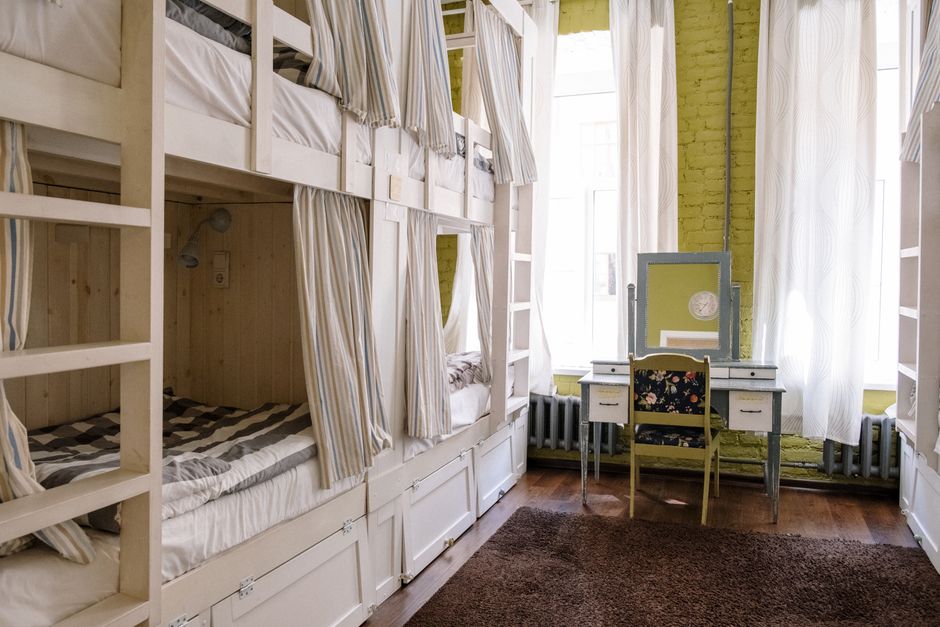
Hostels are a popular choice for budget-conscious travelers, particularly in major European cities. They typically offer dormitory-style accommodations with multiple beds per room, ranging from four to twelve or more. This shared arrangement significantly reduces costs, making hostels one of the most affordable options. However, the shared nature means less privacy and potential noise, which may not suit all travelers. Some hostels also provide private rooms, though these are often priced higher than dorm beds.
One of the distinguishing features of hostels is their social environment. Common areas such as lounges, kitchens, and game rooms encourage interaction among guests, creating opportunities for meeting other travelers. This can be appealing for solo travelers or those seeking a communal experience. However, for those who value quiet and solitude, the bustling atmosphere might be a drawback. It is worth considering whether social engagement is a desired part of the travel experience.
Hostels vary widely in quality and facilities. Many modern hostels offer amenities like lockers, reading lights, power outlets, and privacy curtains for each bed. Some provide organized activities, tours, or communal meals. Security measures, such as keycard access and lockers, are common but not universal. Reading recent reviews and checking ratings on booking platforms can give a sense of the hostel’s environment and reliability. Additionally, considering the location relative to public transport and attractions can impact overall convenience and travel time.
- Pros: Low cost, social atmosphere, central locations.
- Cons: Limited privacy, potential noise, shared facilities.
- Ideal for: Solo travelers, groups, those seeking social interaction.
Guesthouses: A Home Away from Home
Guesthouses occupy a middle ground between hostels and hotels, often providing private rooms in a more personal setting. They are typically family-run or small-scale operations, offering a cozy and sometimes more authentic local experience. Guesthouses can be found in both urban and rural areas, and they often include breakfast, which can add value to the stay. The level of service may be more personalized than in larger hotels, with hosts often available to offer local tips and assistance.
In terms of cost, guesthouses are generally more expensive than hostels but less expensive than budget hotels. They appeal to travelers who seek privacy and a quieter environment without the formality of a hotel. Rooms may vary from simple to well-appointed, and amenities can include private bathrooms, televisions, and Wi-Fi. However, not all guesthouses offer the same facilities, so it is important to verify what is included before booking. Some may have shared bathrooms or limited heating, particularly in older buildings.
Guesthouses can be an excellent option for couples, families, or travelers who prefer a more homely atmosphere. They often provide a glimpse into local life, as hosts may share cultural insights or homemade meals. However, availability can be limited, especially in popular destinations, so early booking is advisable. It is also worth considering the location, as guesthouses may be situated in residential areas that are slightly removed from the main tourist centers, requiring use of public transport.
Budget Hotels: Basic Comfort and Convenience
Budget hotels, sometimes referred to as economy hotels, offer a more standardized experience with private rooms and basic amenities. Chains such as Ibis Budget, Premier Inn, and Motel One are examples of budget hotel brands found across Europe. These hotels typically provide clean, functional rooms with private bathrooms, televisions, and Wi-Fi, though space may be compact. They cater to travelers who prioritize privacy and predictability over social interaction or unique character.
While budget hotels are generally more expensive than hostels and guesthouses, they can still be affordable, especially when booked in advance or during off-peak seasons. They often have 24-hour reception, daily housekeeping, and sometimes on-site dining options. However, extras like breakfast may come at an additional cost. The uniformity of budget hotel chains can be reassuring for travelers who value consistency and know what to expect. On the other hand, they may lack the local charm and personal touch of guesthouses.
When considering budget hotels, it is useful to compare prices across multiple platforms and check for promotional rates. Loyalty programs or membership discounts may also reduce costs. Location is another critical factor: hotels near major transport hubs or city centers may be more expensive but save on travel time and expenses. Conversely, properties in outer districts may offer lower rates but require longer commutes. Weighing these factors can help in identifying the best value for a particular trip.
Tips for Booking Affordable Stays
Booking affordable accommodation in Europe requires a combination of timing, research, and flexibility. Prices fluctuate based on demand, season, and events, so it is beneficial to start planning early, especially for peak travel periods such as summer or major holidays. However, last-minute deals can sometimes be found, particularly for hostels or budget hotels with unsold inventory. Using price comparison websites and setting alerts for specific dates can help in monitoring rates.
Flexibility with dates and locations can lead to significant savings. Traveling mid-week or outside of high season often results in lower prices. Similarly, considering neighborhoods that are slightly outside the main tourist areas can reduce costs while still providing access to attractions via public transport. It is also worth checking for any additional fees, such as city taxes or service charges, which can affect the total budget.
Reading reviews and ratings is essential to gauge the quality and reliability of budget accommodations. Look for recent reviews that mention cleanliness, safety, and noise levels. Photographs can provide a sense of the room size and condition, though they may be outdated. Direct booking with the property can sometimes yield better rates or special offers, but it is important to confirm cancellation policies and payment terms. Finally, consider joining loyalty programs or using membership cards that offer discounts on accommodation.
“Budget travel is not about sacrificing comfort, but about making informed choices that align with your priorities and travel style.”
In conclusion, Europe offers a diverse array of budget accommodation options to suit different needs and preferences. By understanding the characteristics of hostels, guesthouses, and budget hotels, and by applying practical booking strategies, travelers can find affordable stays that enhance their overall travel experience. The key is to approach the process with flexibility, thorough research, and a clear understanding of personal priorities. With careful planning, a budget-friendly trip to Europe can be both comfortable and memorable.